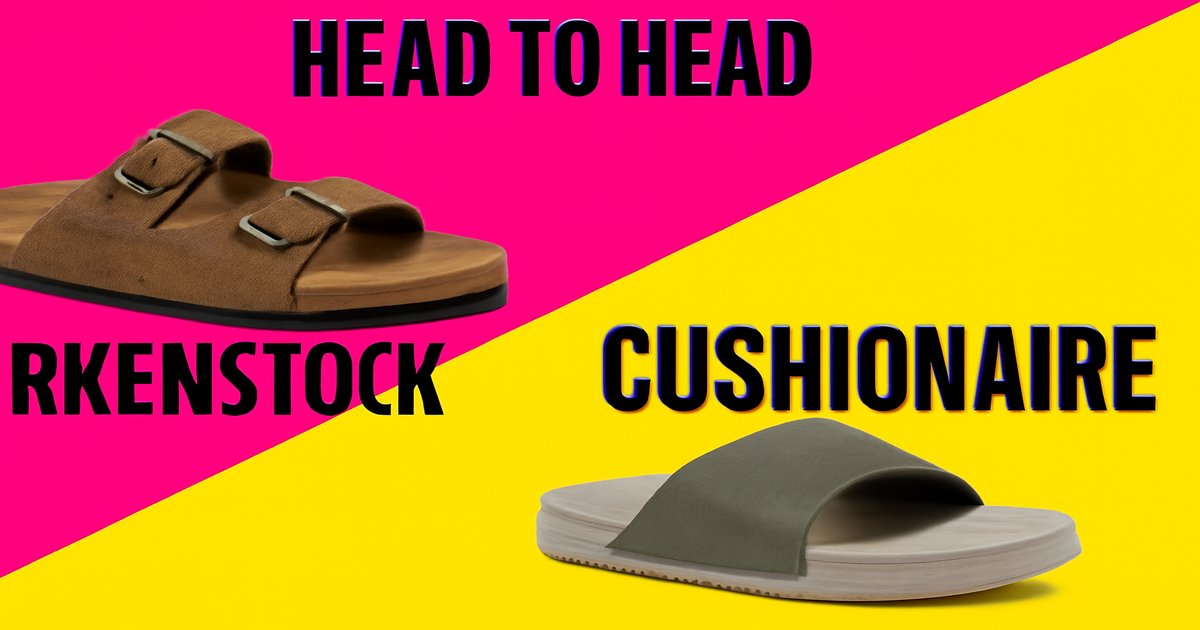
You’ve finally decided to ditch your worn-out flip-flops, but now you’re torn between the legendary comfort of Birkenstock and the budget-friendly allure of Cushionaire. Which one will cradle your feet on those long summer days without making you regret your choice?
| Feature | Birkenstock | Cushionaire |
|---|---|---|
| Price | $100-$150 | $30-$60 |
| Anatomical Footbed | ✓ | ✓ |
| Material | Cork & Leather | Synthetic |
| Arch Support | High | Moderate |
| Durability | 2-3 Years | 1-2 Years |
| Water Resistance | ✗ | ✓ |
✅ birkenstock Pros
- Exceptional arch support for long-term wear.
- Made from high-quality, natural materials like leather and cork.
- Proven durability, lasting up to 3 years.
❌ birkenstock Cons
- Hefty price tag compared to alternatives.
- Not suitable for wet conditions.
- Break-in period can be uncomfortable.
✅ cushionaire Pros
- Budget-friendly without sacrificing basic comfort.
- Water-resistant, ideal for beach or poolside use.
- Requires little to no break-in period.
❌ cushionaire Cons
- Synthetic materials may not be as breathable.
- Moderate arch support, not ideal for long-standing periods.
- Less durable, typically lasting about a year or two.
Performance: Comfort and Support
When it comes to all-day wearability, Birkenstock shines with its contoured cork footbed that molds to the shape of your foot over time. If you’re on your feet all day, the high arch support can be a lifesaver. Cushionaire, while comfortable for short durations, lacks the advanced footbed support you’ll find in a Birkenstock, making them more suitable for casual, less demanding use.
Build Quality: Materials and Longevity
Birkenstocks are built like tanks in the sandal world, thanks to their leather uppers and cork footbeds, which provide a robust feel and exceptional durability. This is where Cushionaire falls short—its synthetic materials are water-resistant but don’t offer the same longevity. If you’re looking for something to last multiple seasons, Birkenstock is the clear winner.
Value: What Are You Really Paying For?
With Birkenstock, you’re investing in a premium product that offers superior comfort and durability. But if you’re after something affordable and functional, Cushionaire does the trick without emptying your wallet. It’s about balancing what you need versus what you’re willing to pay. For occasional wear or wet conditions, Cushionaire’s value proposition is compelling.
Birkenstocks can feel like a chore to break in, and they’re not the best for wet environments. Cushionaire, while cost-effective, can leave your feet feeling unsupported after a few hours. Neither is perfect, but knowing these quirks helps you make a smarter choice.
Our Final Verdict: Which One Should You Buy?
If you’re looking for a long-term investment with top-notch support for daily wear, and you don’t mind the upfront cost or the break-in period, Birkenstock is your go-to. For the budget-conscious or those needing a water-friendly option for casual use, Cushionaire delivers decent comfort without the financial commitment.
How do Birkenstocks fit compared to Cushionaire?
Birkenstocks often run narrow and require a break-in period, while Cushionaire generally offers a more forgiving fit right out of the box.
Are these sandals suitable for plantar fasciitis?
Birkenstocks are often recommended for plantar fasciitis due to their high arch support. Cushionaire offers moderate support, so they might not be the best for severe cases.
How long do these sandals typically last?
Birkenstocks can last up to 3 years with proper care, while Cushionaire sandals usually last around 1-2 years, depending on usage.