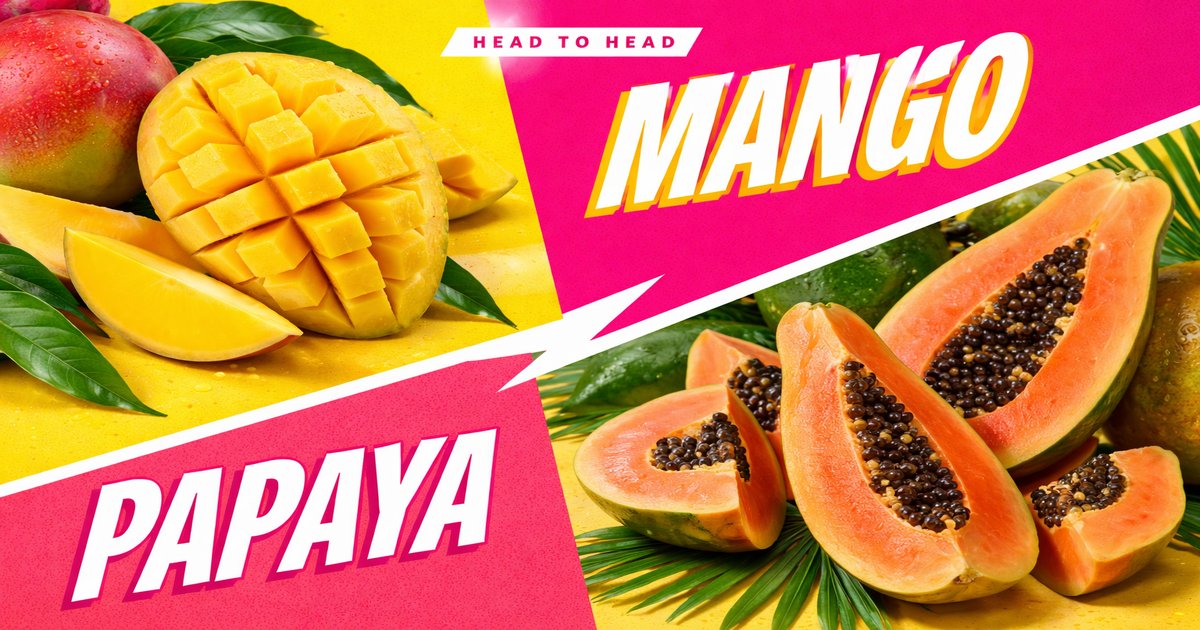
You’re standing in the grocery aisle, eyeing that vibrant display of tropical fruits. Mangoes and papayas both promise a burst of exotic flavor, but which one deserves a spot in your shopping cart? Let’s break down what each brings to the table.
| Feature | Mango | Papaya |
|---|---|---|
| Vitamin C Content | 36.4 mg per 100g | 60.9 mg per 100g |
| Dietary Fiber | 1.6 g per 100g | 1.7 g per 100g |
| Calories | 60 per 100g | 43 per 100g |
| Sugar Content | 13.7 g per 100g | 7.8 g per 100g |
| Enzymes for Digestion | ✗ | ✓ (Papain) |
| Seasonal Availability | Spring-Summer | Year-round |
✅ mango Pros
- Rich in flavor and sweetness.
- High in Vitamin A, supporting eye health.
- Great for smoothies and desserts.
❌ mango Cons
- Higher sugar content.
- Seasonal availability can be limited.
✅ papaya Pros
- Excellent source of Vitamin C and antioxidants.
- Contains papain, aiding digestion.
- Lower calorie count, ideal for weight management.
❌ papaya Cons
- Can have a musky taste that not everyone enjoys.
- Softer texture may not appeal to all.
Flavor and Taste
Mangoes are the undisputed champions of sweetness in the tropical fruit world. Their rich, luscious flavor makes them a favorite in smoothies, desserts, and as a standalone snack. However, that sweetness comes with a higher sugar content, which might not be ideal if you’re watching your intake. Papayas, on the other hand, offer a more subtle, musky flavor that can be divisive. They are less sweet but pack a punch with their refreshing taste and lower sugar levels, making them a better option for those mindful of their sugar consumption.
Nutritional Benefits
If you’re after a vitamin boost, papayas have the edge with their higher Vitamin C content, supporting your immune system and skin health. They also come packed with papain, an enzyme that aids digestion—making them a great choice if you’re looking to improve gut health. Mangoes, while not as high in Vitamin C, excel in providing Vitamin A, essential for maintaining good vision. Both fruits offer fiber, but their distinct nutritional profiles make them suited for different dietary needs.
Availability and Versatility
When it comes to availability, papayas win hands down with their year-round presence. Mangoes, unfortunately, are more of a seasonal delight, peaking in the warmer months. In terms of versatility, mangoes shine in culinary applications ranging from sweet to savory, while papayas are fantastic in fruit salads and as a digestive aid. If you’re planning meals that need that tropical twist, consider when each fruit is at its best.
Mangoes might leave you with sticky fingers and a struggle with that pesky pit, but their flavor is worth it. Papayas, while easier to slice and serve, might not win over those who prefer a sweeter taste. Also, don’t expect either fruit to last long once ripe—they both have a short shelf life.
Our Final Verdict: Which One Should You Buy?
If you’re a flavor enthusiast who craves sweetness and doesn’t mind waiting for the right season, mangoes are your go-to. They suit those who love making smoothies and desserts. On the other hand, if you’re health-conscious, particularly about digestion and vitamin intake, papayas are the better choice. They’re perfect for those who prefer a more balanced flavor and need a fruit available all year round.
Can I use mango and papaya interchangeably in recipes?
While both can add a tropical twist, their flavors and textures are different. Mango works better in sweet dishes, while papaya’s milder taste suits salads and savory dishes.
How do I pick a ripe papaya or mango?
For mangoes, look for a slight give when pressed and a fruity aroma. Papayas should have a yellow-orange skin and also yield slightly to pressure.
Do mangoes and papayas have a long shelf life?
Both fruits ripen quickly and should be consumed within a few days of reaching peak ripeness. Store them in the refrigerator to extend their life a bit.