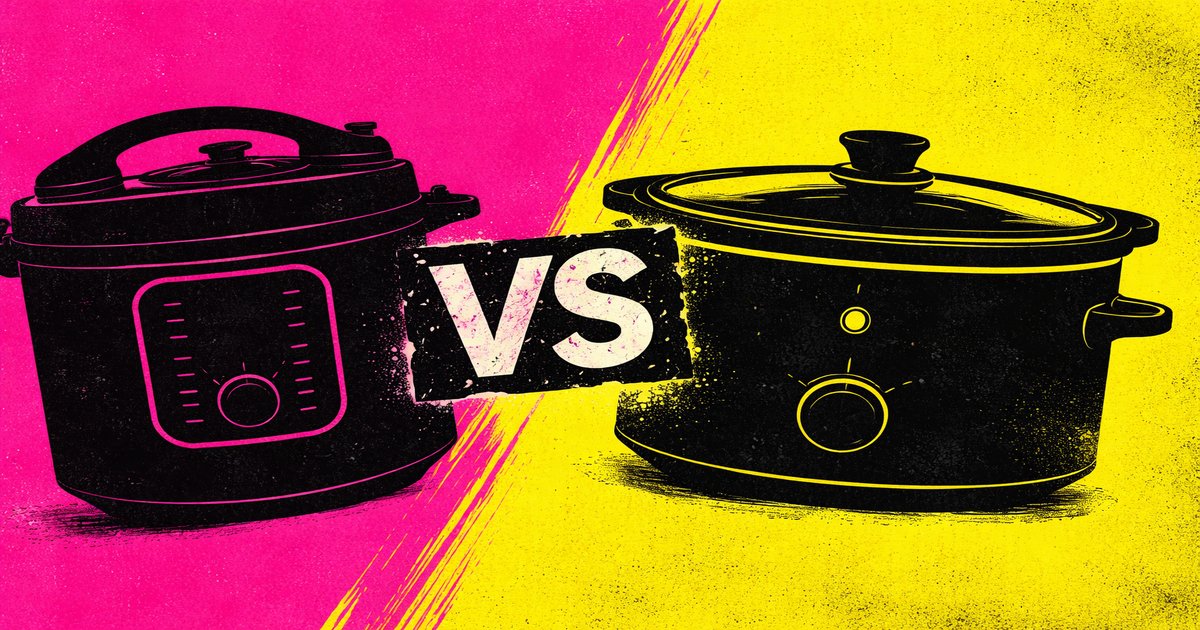
You’re rushing home from work and the last thing you want is a long cooking session. You need a device that can whip up a meal with minimal fuss. Enter the pressure cooker and slow cooker – two kitchen gadgets promising to make life easier. But which one actually delivers on that promise? Let’s break it down.
| Feature | Pressure Cooker | Slow Cooker |
|---|---|---|
| Cooking Time | Around 30 mins | 4-10 hours |
| Energy Efficiency | ✓ | ✗ |
| Meal Texture | Softened, sometimes mushy | Rich, deep flavors |
| Programmable Features | ✓ | ✓ |
| Portability | ✗ | ✓ |
| Price Range | $50-$200 | $20-$100 |
✅ pressure cooker Pros
- Extremely fast cooking times
- Retains more nutrients in food
- Energy efficient
❌ pressure cooker Cons
- Can be intimidating to use for beginners
- Risk of overcooking food
- Limited to certain types of dishes
✅ slow cooker Pros
- Ideal for hands-off cooking
- Develops complex flavors over time
- Great for batch cooking and meal prep
❌ slow cooker Cons
- Long cooking times
- Consumes more electricity
- Not ideal for last-minute meals
Performance: Speed vs. Flavor
If you’re looking for speed, the pressure cooker is your best bet. It can whip up a pot roast in less than an hour, making it the go-to for quick meals. But be prepared: it can sometimes leave meats too soft or even mushy if you’re not careful. On the other hand, the slow cooker takes its time but rewards you with rich, deep flavors that are hard to achieve with other methods. Perfect for stews and soups, it’s your friend for those hearty, comforting meals that need to simmer all day.
Build Quality and Maintenance
Pressure cookers are typically robust, heavy-duty appliances built to withstand high pressure, but they can be a pain to clean, especially if you’ve got one with a lot of bells and whistles. Slow cookers, meanwhile, are generally simpler in design, with fewer moving parts, making them easier to maintain and clean. However, the ceramic insert – common in many models – can crack if not handled with care, so there’s a trade-off in durability.
Value for Money
Pressure cookers tend to be pricier but often come with added functions like yogurt making or sauté options, offering more bang for your buck if you plan to use them regularly. Slow cookers are budget-friendly and straightforward, ideal if you need a reliable workhorse for one-pot meals without a hefty price tag. If you’re just dipping your toes into slow cooking, it’s a small investment for potentially big flavor payoffs.
Pressure cookers often promise to be the kitchen all-rounder, but if you don’t have the patience to learn its quirks, it can collect dust quickly. Slow cookers, while convenient, can be frustratingly slow, and if you’re not around to keep an eye on them, you might end up with mushy veggies or overcooked meats.
Our Final Verdict: Which One Should You Buy?
If you’re a busy professional who needs to get dinner on the table fast without sacrificing too much on taste, go for the pressure cooker. It’ll save you time and keep your meals nutritious. However, if you love the idea of coming home to a meal that’s been slowly developing flavors all day and you don’t mind the wait, the slow cooker is your best bet. It’s perfect for those who like to plan meals ahead and savor the results.
Are pressure cookers safe to use?
Yes, modern pressure cookers have multiple safety features, including locking lids and pressure release valves, to prevent accidents.
Can I leave a slow cooker on all day?
Yes, slow cookers are designed for long cooking times and can be safely left on all day if used according to the manufacturer’s guidelines.
Which is more energy-efficient?
Pressure cookers are generally more energy-efficient because they cook food faster, using less electricity overall compared to slow cookers.