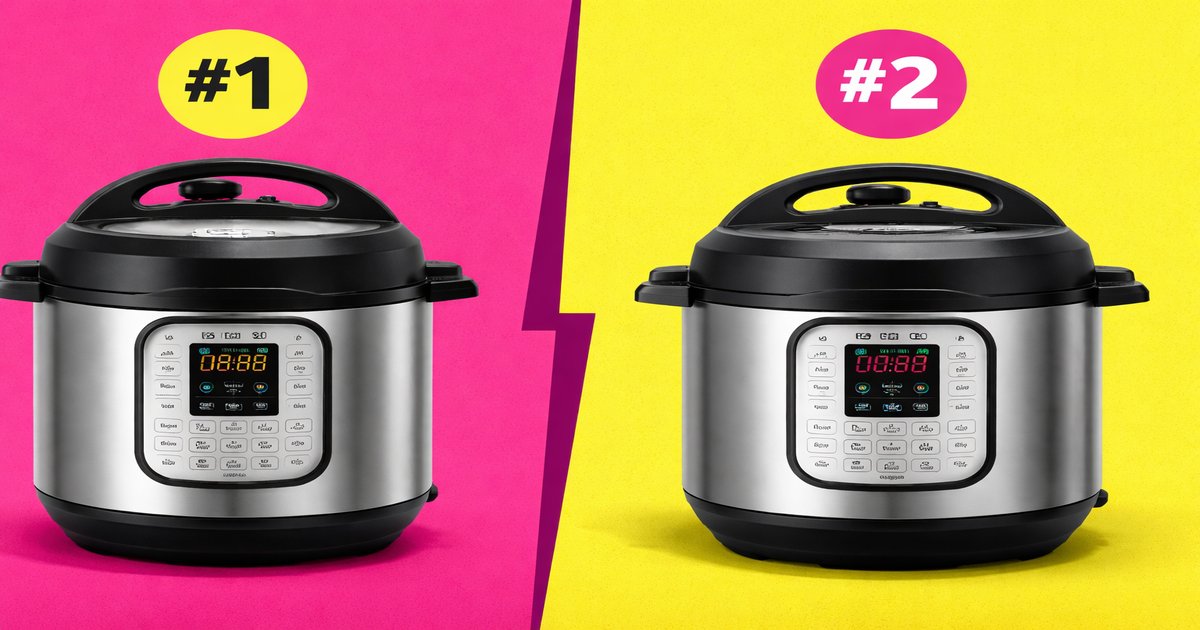
You’re standing in the kitchen, recipe in hand, debating between the modern Instant Pot and the classic pressure cooker. Both promise to cut your cooking time, but which one truly deserves a spot on your countertop?
| Feature | Instant Pot | Pressure Cooker |
|---|---|---|
| Cooking Modes | 12+ (Rice, Slow Cook, Yogurt) | 1 (Pressure Cook Only) |
| Ease of Use | ✓ (Digital Interface) | ✗ (Manual) |
| Build Material | Stainless Steel & Plastic | Stainless Steel or Aluminum |
| Safety Features | 10+ (Auto-Lock, Pressure Release) | 3-5 (Valve, Lock) |
| Price Range | $80 – $150 | $30 – $70 |
| Capacity Options | 3, 6, 8 Quart | 4, 6, 8 Quart |
✅ Instant Pot Pros
- Versatile with multiple cooking functions.
- User-friendly with a digital interface.
- Numerous safety features for worry-free cooking.
❌ Instant Pot Cons
- Higher price point.
- Bulky and takes up more counter space.
- Requires a learning curve to use all functions effectively.
✅ Pressure Cooker Pros
- Budget-friendly option.
- Simple to use with fewer parts.
- Compact and easy to store.
❌ Pressure Cooker Cons
- Limited to pressure cooking only.
- Manual operation requires more attention.
- Fewer safety features.
Performance: Speed and Efficiency
The Instant Pot shines with its multi-functionality, allowing you to sauté, slow cook, and even make yogurt. If you value convenience and love versatile appliances, it’s a win. The pressure cooker, however, is a no-frills workhorse. It excels at doing one thing well: cooking quickly under pressure. If you’re just looking to whip up a stew or beans in a jiffy without fussing over settings, it does the job.
Build Quality: Material and Durability
Instant Pots are typically made with stainless steel inner pots and sturdy plastic exteriors, which feel durable and well-crafted. The digital interface adds a modern touch. Traditional pressure cookers, often made from either stainless steel or aluminum, focus more on functionality than aesthetics. They’re built to last, but don’t expect any tech frills.
Value for Money: Price vs. Functionality
Instant Pots come with a heftier price tag, but they pack in value with multiple cooking modes and safety features. If you cook a variety of meals and like experimenting, the investment pays off. On the flip side, a traditional pressure cooker is an economical choice, perfect for those who need a reliable, straightforward appliance to get meals on the table fast without shelling out big bucks.
Instant Pots are not as “instant” as the name suggests — the preheating time can add a significant delay. Pressure cookers require manual pressure release, so don’t walk away and forget. Both have a bit of a learning curve if you’re new to pressure cooking.
Our Final Verdict: Which One Should You Buy?
If you love gadgets, want versatility, and don’t mind spending a bit more, the Instant Pot is your kitchen soulmate. It’s perfect for busy families or tech-savvy cooks who enjoy exploring new recipes. However, if you’re on a tighter budget, prefer simplicity, and just need a reliable tool to speed up dinner, the classic pressure cooker is your best bet. It’s straightforward and gets the job done without breaking the bank.
Can I use an Instant Pot for canning?
Instant Pots are not recommended for canning due to safety concerns. They cannot reach the necessary pressure levels for safe canning.
How long does a pressure cooker last?
A good quality pressure cooker can last up to 10 years or more with proper care and maintenance.
Do Instant Pots need special cleaning?
Instant Pots require regular cleaning, especially the sealing ring and inner pot, to prevent odors and buildup. Most parts are dishwasher safe.