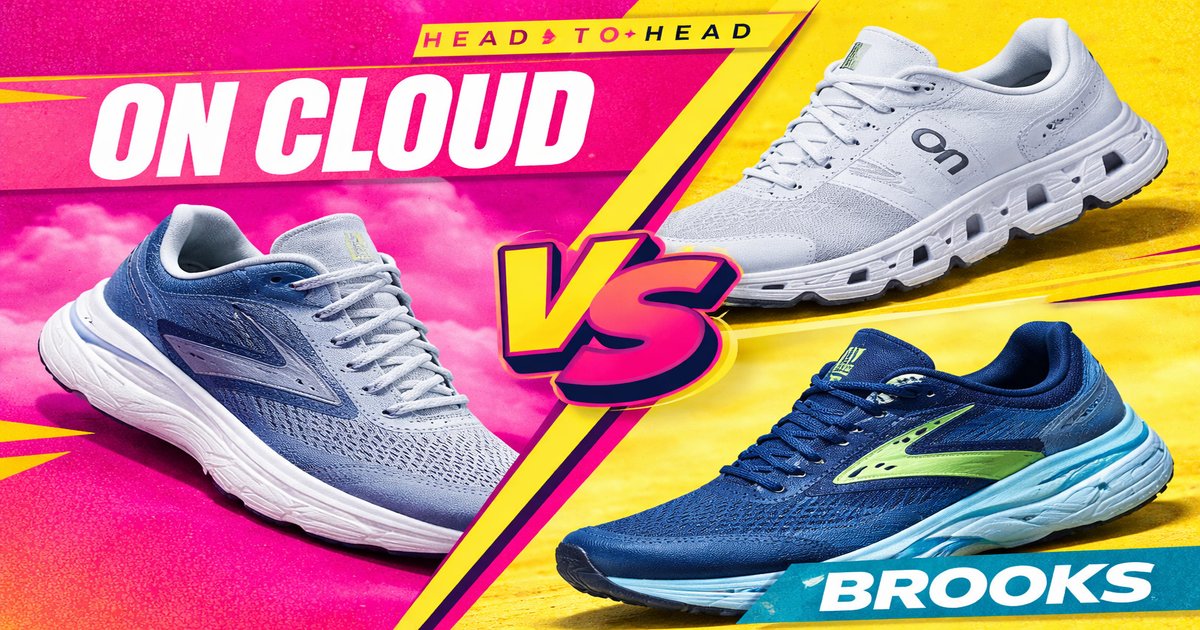
If you’re torn between On Cloud and Brooks for your next pair of running shoes, you’re not alone. Both brands offer stellar options for different running styles and preferences, but their differences can make or break your running experience. Let’s cut through the marketing fluff and get you into the right pair for your feet and goals.
| Feature | On Cloud | Brooks |
|---|---|---|
| Cushioning | CloudTec® | BioMoGo DNA |
| Weight | 8.1 oz (Men’s size 9) | 9.7 oz (Men’s size 9) |
| Heel Drop | 6 mm | 12 mm |
| Waterproof Options | ✓ | ✓ |
| Price Range | $130 – $200 | $100 – $160 |
| Arch Support | Neutral | Neutral & Support |
✅ On Cloud Pros
- Super lightweight, ideal for long-distance running.
- Distinctive CloudTec® cushioning offers a unique ride.
- Sleek design that transitions well from gym to casual wear.
❌ On Cloud Cons
- Higher price point compared to similar models.
- Lacks the arch support some runners need.
- Sole durability can be an issue on rough terrains.
✅ Brooks Pros
- Excellent cushioning with BioMoGo DNA for comfort.
- Available in a variety of styles catering to different needs.
- Better for runners needing extra support.
❌ Brooks Cons
- Heavier shoe, which may not be ideal for speedwork.
- Bulkier design isn’t as versatile for casual wear.
Performance: Cushioning and Ride
On Cloud’s CloudTec® system provides a springy, responsive feel, making it a top choice if you’re after a lightweight shoe that won’t slow you down during long runs. However, the cushioning is a bit firm, which might not suit everyone. Brooks, with its BioMoGo DNA, offers a plush, adaptive cushioning that molds to your foot strike, making it excellent for those longer runs where comfort is key. If you’re prone to injuries or need that cushy feel, Brooks might be your better bet.
Build Quality and Durability
On Cloud shoes are about blending function with form, featuring a minimalist aesthetic that looks as good on the street as it does on the trail. Yet, this comes at a cost: the soles, while innovative, can wear out quicker, especially if you’re hitting rugged terrains. Brooks, on the other hand, focuses heavily on durability. Their shoes might not win style contests, but they’ll hold up run after run, which is crucial if you’re a high-mileage runner.
Value for Money
When it comes to getting bang for your buck, Brooks generally offers a wider range of price points and functionalities. If you’re budget-conscious, you’ll find something that fits your needs without breaking the bank. On Cloud’s premium pricing reflects its design and tech, but you need to be sure the features align with what you need. If you’re after a more versatile shoe that can handle both workouts and casual outings, On Cloud might justify the extra cash.
On Cloud shoes look fantastic, but their unique design can cause issues like stones getting caught in the sole. Brooks might feel a bit heavy for speedsters, yet they offer a reliable, consistent run. Both brands have their pitfalls, but knowing them means you can decide what’s a dealbreaker.
Our Final Verdict: Which One Should You Buy?
If you’re a runner who values a lightweight, stylish shoe and doesn’t mind paying a bit more for innovation, On Cloud is your go-to. Ideal for those who want a shoe that seamlessly transitions from a morning run to brunch. But if you’re looking for solid, reliable cushioning and a shoe that won’t quit on durability, Brooks is the way to go. Perfect for runners who need extra support and aren’t worried about extra weight on their feet.
How do On Cloud and Brooks fit?
On Cloud tends to run narrower, making them great for those with slim feet. Brooks offers a broader range of widths, catering to a wider audience.
Are these shoes suitable for trail running?
Both brands have models for trails, but Brooks tends to offer more specialized options with better durability for rough terrains.
How long can I expect them to last?
Brooks shoes generally last longer, especially under high mileage, due to their robust build. On Cloud’s innovative design might wear quicker if used intensively on rugged surfaces.