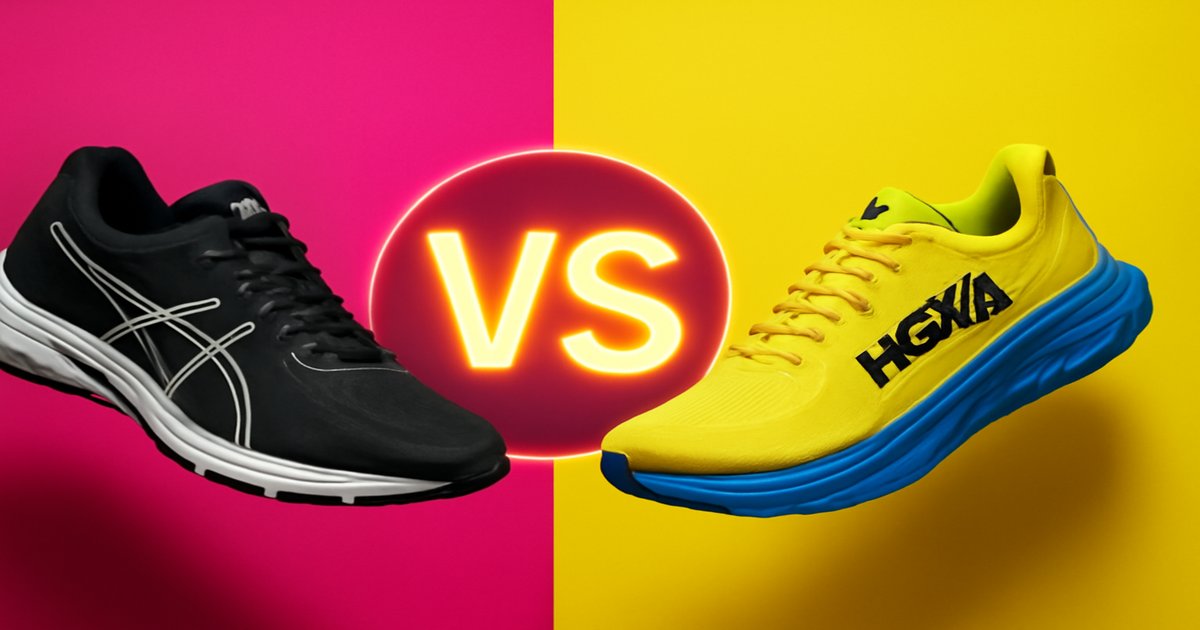
You’re on the hunt for the perfect running shoes, but the choice between Asics and Hoka is giving you more stress than your last 10K. Both brands promise comfort and performance, but which one truly suits your running style and foot type? Let’s break it down so you can hit the pavement with confidence.
| Feature | Asics | Hoka |
|---|---|---|
| Cushioning | Gel Technology | Meta-Rocker |
| Weight | 10 oz (Men’s Gel-Kayano 28) | 8.9 oz (Men’s Clifton 8) |
| Arch Support | High | Medium |
| Durability | ✓ | ✓ |
| Breathability | ✓ | ✓ |
| Price Range | $120-$160 | $130-$170 |
✅ Asics Pros
- Excellent arch support for overpronators.
- Durable outsole, great for long-distance runners.
- Reliable grip on various surfaces.
❌ Asics Cons
- Heavier than most competitors.
- Not as cushioned as some might prefer.
✅ Hoka Pros
- Exceptional cushioning for a cloud-like feel.
- Lightweight design, ideal for speed work.
- Wide toe box for natural foot splay.
❌ Hoka Cons
- Medium arch support might not suit high-arched runners.
- Some models can feel bulky despite their lightweight.
Performance
If you’re all about performance, Asics’ Gel-Kayano series offers a stability and support system that is hard to beat, particularly if you have a tendency to overpronate. The gel cushioning absorbs shock effectively, making it a solid choice for marathon runners. On the other hand, Hoka’s Clifton series provides a bouncy, cushioned ride that feels fantastic during tempo runs. The Meta-Rocker technology encourages a smooth transition from heel to toe, making it ideal for those who prioritize speed and efficiency.
Build Quality
Both brands deliver solid build quality, but with different emphases. Asics shoes are known for their robust construction, often lasting a couple of hundred extra miles compared to competitors. The durable outsole and reinforced upper make them a go-to for long-haul runners. Hoka excels in its innovative midsole design. The thick cushioning may seem excessive, but it offers unparalleled comfort. Just be mindful if you’re leaning towards trail running; some Hoka models can struggle with lateral stability on uneven surfaces.
Value
When it comes to value, Asics offers a range of prices that cater to both new runners and seasoned athletes. Their durability means you’re likely to get your money’s worth over time. Hoka’s price point is slightly higher, yet for many, the comfort level justifies the cost. If you’re someone who battles joint pain, the investment in Hoka’s enhanced cushioning might actually save you money on healthcare in the long run.
Asics might not be the sexiest pick, but they get the job done, especially for those with specific foot support needs. Hoka feels like running on clouds, but that level of cushioning isn’t for everyone. Some runners find it a bit too plush, reducing ground feel and responsiveness.
Our Final Verdict: Which One Should You Buy?
If you’re a runner who needs strong arch support and durability, Asics is your best bet. They’re reliable, particularly for long distances and varied terrains. But if you’re after a lightweight shoe with exceptional cushioning, Hoka is the way to go. They’re perfect for those who prioritize comfort and speed, especially if you have a neutral gait.
How does the fit compare between Asics and Hoka?
Asics generally offer a snug fit, especially in the midfoot, which is great for security. Hoka provides a roomier toe box allowing for natural toe splay, which can be more comfortable for wider feet.
Are these shoes suitable for flat feet?
Asics offers better options for flat feet with their structured arch support. Hoka has some models with moderate support but generally caters to neutral arches.
How long can I expect these shoes to last?
Both brands offer durable shoes, though Asics tends to edge out Hoka in longevity, often lasting 500+ miles depending on your running style and terrain.