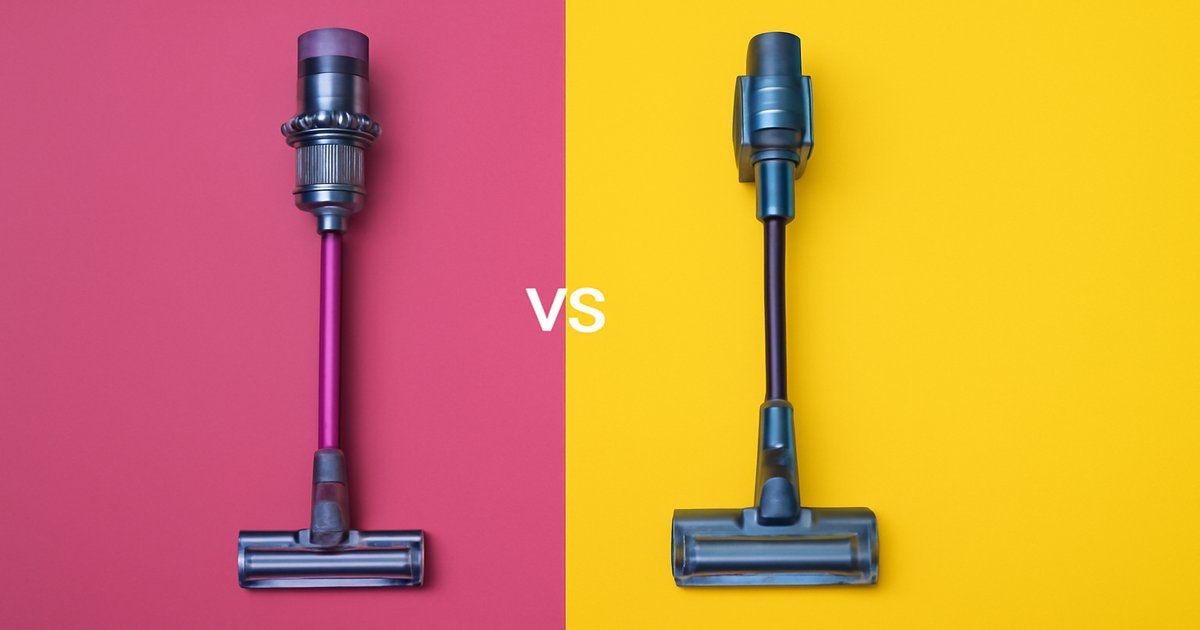
Ever found yourself tangled in cords while wrestling with a vacuum cleaner, only to realize the suction power is barely enough to pick up a dust bunny? If you’re in the market for a new vacuum, the battle between Dyson and Shark is one you can’t ignore. Let’s dive into the nitty-gritty to help you choose the best vacuum for your home cleaning needs.
| Feature | Dyson V11 | Shark Navigator |
|---|---|---|
| Weight | 6.68 lbs | 13.7 lbs |
| Battery Life | 60 minutes | Corded (Unlimited) |
| Suction Power | 185 AW | 270 AW |
| Filtration | HEPA | HEPA |
| Noise Level | 70 dB | 80 dB |
| Price | ~$700 | ~$200 |
| Warranty | 2 years | 5 years |
✅ dyson Pros
- Lightweight and portable, making it easy to carry around.
- Cordless design offers exceptional convenience.
- Advanced filtration system captures 99.97% of particles.
❌ dyson Cons
- Premium price tag that may not fit all budgets.
- Battery life can feel limiting for larger homes.
- Smaller dustbin capacity requires frequent emptying.
✅ shark vacuum Pros
- Strong suction power, excellent for deep cleaning carpets.
- Much more affordable compared to Dyson.
- Comes with a longer warranty for peace of mind.
❌ shark vacuum Cons
- Heavier and bulkier, making it less maneuverable.
- Corded design can limit your movement range.
- Noisy operation could be annoying in smaller spaces.
Performance: Suction and Mobility
When it comes to raw suction power, Shark Navigator takes the crown with its 270 AW, ideal for pulling up stubborn dirt from carpets. However, Dyson’s 185 AW is no slouch, more than sufficient for hard floors and everyday messes, plus it offers cordless versatility. If your home is sprawling, Dyson’s portability makes it a breeze to clean without constantly switching outlets. For deep carpet cleaning, though, Shark’s power can’t be ignored.
Build Quality and User Experience
Dyson’s build quality feels like a high-tech gadget, with sleek lines and a modern finish. Its lightweight design adds to the ease of use, especially when vacuuming stairs or reaching overhead. Shark, while heavier and less sleek, is rugged and built to last. Its bulk might be a downside in maneuverability, but it feels sturdy, like it could handle years of abuse. Both brands offer HEPA filtration, making them suitable for allergy sufferers.
Value: What Do You Get for Your Money?
With Dyson, you’re paying for innovation, design, and convenience. The $700 price tag includes premium features like intelligent suction adjustment and a digital display. Shark, at just $200, focuses on delivering solid performance without the frills. Its value lies in its affordability and longevity, backed by a 5-year warranty. If budget constraints are a concern, Shark offers more bang for your buck, especially for those focused on carpet cleaning.
Dyson’s cordless convenience is addictive but comes with a trade-off in battery life that might not suit large homes. Shark’s corded power is great but beware of the noise level if you have sensitive ears or live in an apartment. Neither is perfect, but each has its strengths depending on your lifestyle.
Our Final Verdict: Which One Should You Buy?
If you’re a tech-savvy individual who values convenience and style, and your home isn’t a sprawling mansion, go for the Dyson V11. Its lightweight, cordless design will make vacuuming a pleasure rather than a chore. On the other hand, if you’re budget-conscious and need a reliable workhorse for a larger home with lots of carpeting, the Shark Navigator will serve you well with its powerful suction and durable build.
Is the Dyson V11 suitable for pet hair?
Yes, the Dyson V11 is excellent for pet hair, thanks to its strong suction and specialized attachments designed for picking up pet fur.
Can the Shark Navigator be used on hard floors?
Absolutely, the Shark Navigator performs well on both carpets and hard floors. Just switch the brush roll off for hard surfaces to avoid scattering debris.
How often should I replace the filters on these vacuums?
For both Dyson and Shark, it’s recommended to wash the filters every three months and replace them every 12 to 18 months, depending on usage and environment.