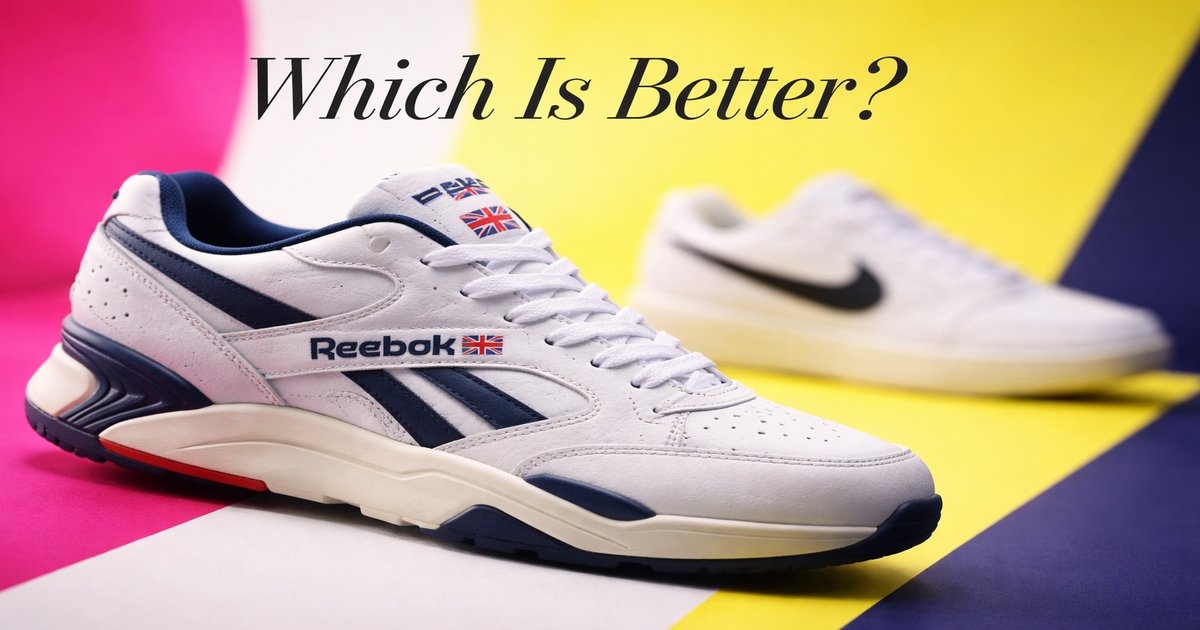
You’re gearing up for your next workout and you’re stuck between choosing Reebok or Nike. Both brands have their loyal fanbases and come with their own set of strengths and weaknesses. Let’s dig into the nitty-gritty to help you make the best decision for your active lifestyle.
| Feature | Reebok | Nike |
|---|---|---|
| Price Range | $50 – $150 | $65 – $200 |
| Variety of Styles | Medium | High |
| Performance Focus | Cross-training | Running & Basketball |
| Durability | ✓ | ✓ |
| Sustainability Efforts | ✓ | ✓ |
| Fashion-Forward | ✗ | ✓ |
✅ Reebok Pros
- Excellent for CrossFit and cross-training.
- Generally more affordable.
- Strong focus on sustainability.
❌ Reebok Cons
- Less style variety.
- Not as fashion-forward.
✅ Nike Pros
- Wide range of styles and designs.
- Top-notch for running and basketball.
- Strong brand reputation.
❌ Nike Cons
- Can be pricey, especially for latest models.
- Some styles prioritize form over function.
Performance
Both brands excel in performance, but they cater to different activities. Reebok has carved a niche in the cross-training and CrossFit arenas, offering shoes that can handle diverse workouts. Think of them as your versatile buddy at the gym, solid for both lifting and cardio. Nike, on the other hand, shines in specialized sports like running and basketball. If you’re training for a marathon or shooting hoops, Nike gives you that specialized edge you crave.
Build Quality
Nike and Reebok both deliver when it comes to durability, but they go about it in slightly different ways. Reebok focuses on robust materials that can handle the rigors of varied workouts, making them a go-to for those who switch between activities. Nike’s engineering often leans toward innovation, with cutting-edge tech like Flyknit and Zoom Air to enhance both comfort and performance in specific sports. If you’re rough on your shoes, both will last, but Nike’s tech might give you the extra edge.
Value for Money
Reebok tends to be kinder on the wallet, particularly if you’re looking for solid performance shoes without the frills. They’re a great choice if you’re looking to balance cost with performance. Nike, while often on the higher end of the price spectrum, offers value through innovation and style. If you’re willing to pay a premium for cutting-edge technology and a fashion-forward look, Nike will not disappoint.
Both brands have their quirks that aren’t always mentioned. Reebok can sometimes be a bit behind on trends, so if you’re after the latest look, you might be left wanting. Nike’s styles can sometimes sacrifice comfort for aesthetics, so if you’re prioritizing function, do your research before buying the flashiest pair.
Our Final Verdict: Which One Should You Buy?
If you’re a budget-conscious athlete focused on cross-training, Reebok should be your go-to. They offer solid performance without breaking the bank. For trendsetters and sports specialists, especially in running or basketball, Nike is the better choice. Their innovative designs and strong brand reputation make them worth the extra dollars.
How does the fit compare between Reebok and Nike?
Nike tends to run a bit narrower than Reebok. If you have wider feet, you might find Reebok more comfortable.
Are these brands compatible with orthotics?
Both brands offer models with removable insoles that can accommodate orthotics, but always check the specific model.
How long can I expect these shoes to last?
With regular use, both brands should last you around 300-500 miles, depending on your activity level and the type of terrain.