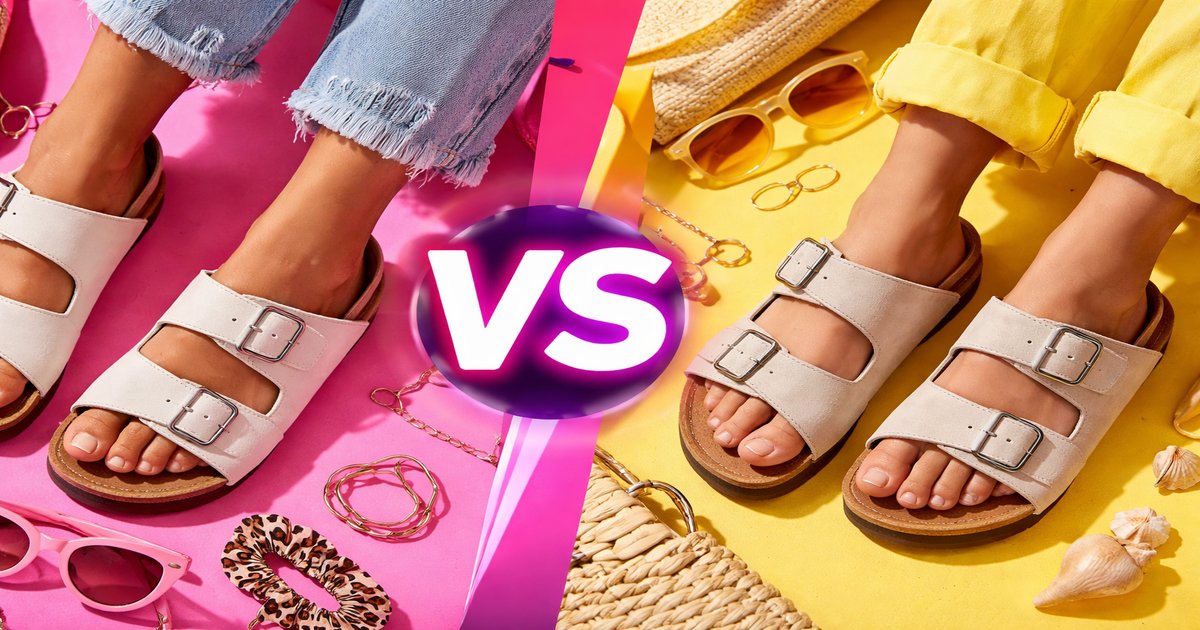
You’re on your feet all day, and the last thing you want is to come home with sore feet. You’ve heard about both Cushionaire and Birkenstock, but which one will really keep your feet happy from morning till night?
| Feature | Cushionaire | Birkenstock |
|---|---|---|
| Price Range | $30-$50 | $100-$150 |
| Arch Support | Moderate | High |
| Material | Synthetic | Natural Cork and Leather |
| Break-in Period | ✗ (Ready to wear) | ✓ (1-2 weeks) |
| Weight | Lightweight | Moderate |
| Water Resistance | ✓ | ✗ |
✅ cushionaire Pros
- Affordable price point
- No break-in period required
- Water-resistant, great for all-weather use
❌ cushionaire Cons
- Less arch support compared to high-end models
- Durability may not match premium brands
- Synthetic material can feel less breathable
✅ birkenstock Pros
- Excellent arch support
- Natural materials that mold to your feet
- Long-lasting durability
❌ birkenstock Cons
- Higher price point
- Requires a break-in period
- Not water-resistant
Performance and Comfort
When it comes to performance and comfort, Birkenstock takes the lead with its superior arch support and natural cork footbed that molds to your feet over time. This results in a custom fit that can significantly improve comfort during long hours of wear. Cushionaire, on the other hand, offers moderate support that might suit you if you have neutral arches and need something ready to wear immediately. However, if you require more specialized support, you might find Cushionaire lacking.
Build Quality and Materials
Birkenstock uses natural cork and leather, which not only contributes to a unique fit but also enhances durability. These materials ensure that the sandals can withstand years of wear, a feature that justifies their higher price. Cushionaire employs synthetic materials that are lightweight and water-resistant, making them a good choice for casual, all-weather use. However, these materials may not offer the same level of breathability or longevity as Birkenstock’s natural options.
Value for Money
Cushionaire shines in the value department, particularly if you’re on a budget. At a fraction of the cost, they offer decent comfort and style for everyday use. They serve as a great entry-level option if you’re not ready to invest heavily in footwear. Birkenstock, though more expensive, provides a long-term investment with lasting quality and comfort. If you can afford the upfront cost, the investment pays off in the form of durability and adaptable comfort that could potentially save you money in the long run.
Cushionaire might seem like a steal, but don’t expect them to last as long as a pair of Birkenstocks. Also, Birkenstocks’ break-in period is no joke; prepare for a week or two of awkward walking. Despite their name, Cushionaire doesn’t offer as much cushioning as you might think.
Our Final Verdict: Which One Should You Buy?
If you’re looking for affordability and convenience, Cushionaire is your go-to. They’re perfect for the casual wearer who needs something comfortable without breaking the bank. On the other hand, if you value long-term comfort and durability, and don’t mind the initial investment, Birkenstock is the way to go. Ideal for those who spend long hours on their feet and need reliable arch support.
Are Cushionaire sandals true to size?
Yes, Cushionaire generally fits true to size, but if you’re between sizes, it’s recommended to size up for comfort.
How long do Birkenstocks typically last?
With proper care, Birkenstocks can last several years. Their natural materials are designed to withstand daily wear and tear.
Can Birkenstocks get wet?
While occasional splashes won’t ruin them, it’s best to avoid submerging Birkenstocks in water as it can damage the cork and leather.