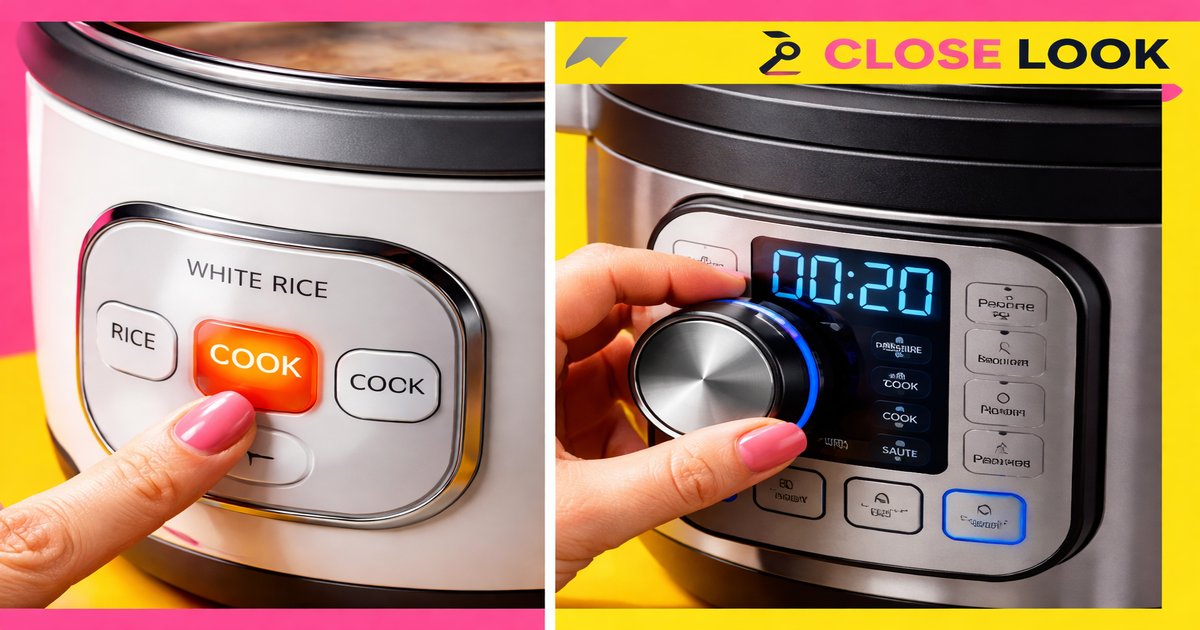
You’re at the crossroads of culinary convenience, trying to decide between a rice cooker and an Instant Pot. If you’re aiming for ease in the kitchen, both offer tempting features, but which one truly deserves a spot on your counter?
| Feature | Rice Cooker | Instant Pot |
|---|---|---|
| Cooking Functions | Rice, Keep Warm | Pressure Cook, Slow Cook, Rice, Steam, Saute, Yogurt |
| Capacity | 3-10 cups | 6-8 quarts |
| Price Range | $20-$150 | $60-$150 |
| Cooking Speed | Medium | Fast |
| Ease of Use | ✓ | ✗ |
| Multi-functionality | ✗ | ✓ |
| Size | Compact | Bulky |
✅ rice cooker Pros
- Simple to use with one-touch operation.
- Compact design fits easily in small kitchens.
- Affordable price point for basic models.
❌ rice cooker Cons
- Limited to cooking rice and a few other grains.
- Longer cooking time compared to pressure cooking.
✅ instant pot Pros
- Versatile with multiple cooking functions.
- Reduces cooking time significantly.
- Can replace several kitchen appliances.
❌ instant pot Cons
- Steeper learning curve for beginners.
- Bulky and requires more storage space.
- Higher initial cost for models with more features.
Performance: Speed vs. Simplicity
If speed is your top priority, the Instant Pot is the clear winner. Its pressure cooking feature cuts down cooking times drastically, which is a lifesaver on busy weeknights. However, if you only need perfectly cooked rice without complex settings, a rice cooker’s simplicity is unbeatable. It’s a set-and-forget appliance that delivers consistently good results without fuss.
Build Quality and Design
Rice cookers are generally more compact, making them ideal for small kitchens or for those who don’t want to commit too much counter space. Instant Pots, while bulkier, offer robust stainless steel construction that feels more substantial. They’re built to handle a variety of cooking tasks, which justifies their larger footprint. Choose according to how much space you can spare.
Value for Money
For those on a tight budget, a basic rice cooker offers excellent value with its low price and reliable performance for rice and grains. The Instant Pot, while more expensive, provides more bang for your buck if you plan to utilize its multiple functions, replacing several kitchen gadgets. It’s an investment in versatility that can pay off if you explore its full range of capabilities.
Rice cookers are fantastic for their singular focus, but don’t expect miracles beyond rice. Instant Pots, though versatile, don’t automatically improve your cooking skills — you’ll need to invest some time into learning its functionalities. Both have their own quirks, so be prepared for a little trial and error.
Our Final Verdict: Which One Should You Buy?
If you’re a rice enthusiast who sticks to basics, the rice cooker is your best bet for its simplicity and affordability. But if you’re someone who loves experimenting with recipes and wants to maximize kitchen space with one multi-tasking appliance, the Instant Pot is your go-to. It’s perfect for the adventurous cook who values speed and versatility.
Can I cook other grains in a rice cooker?
Yes, most rice cookers can handle grains like quinoa, oatmeal, and barley, though results may vary by model.
Is Instant Pot safe for pressure cooking?
Absolutely, Instant Pots come with multiple safety features designed to ensure safe pressure cooking.
How long does each appliance typically last?
With proper care, a rice cooker can last up to 5-10 years. Instant Pots, due to their more complex nature, typically have a lifespan of about 5 years but can last longer with regular maintenance.