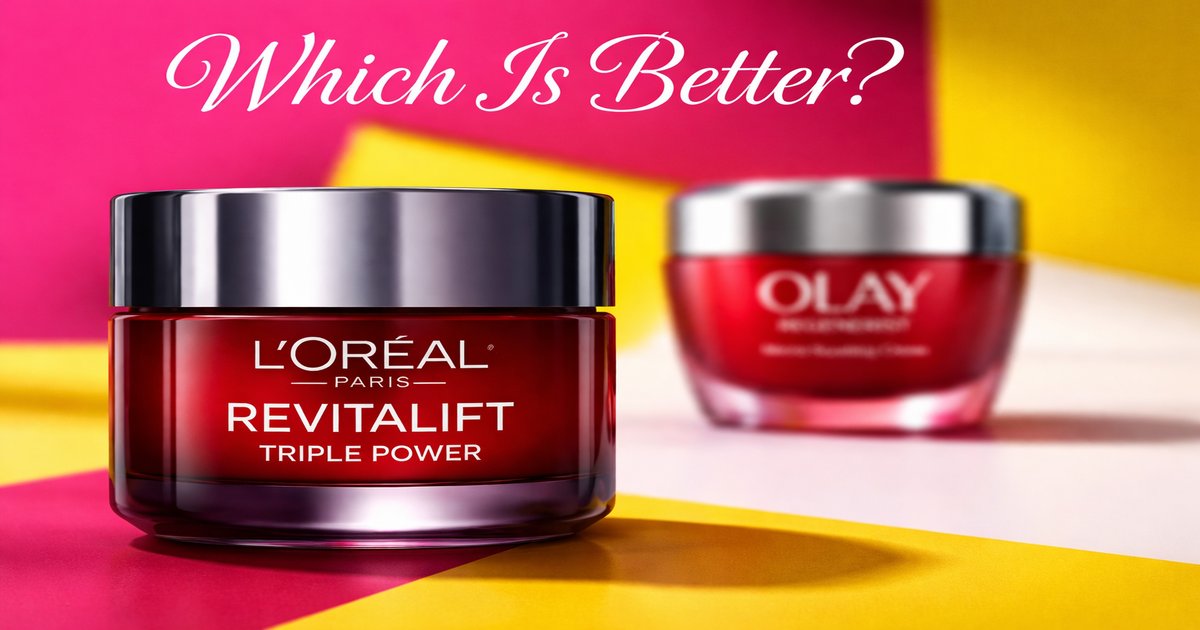
You’re staring at the drugstore shelf, torn between L’Oreal and Olay, each promising to erase those fine lines and hydrate your skin like never before. We’ve all been there, wondering if that extra few bucks really makes a difference. Let’s cut through the marketing jargon and see which brand earns a spot in your skincare routine.
| Feature | L’Oreal | Olay |
|---|---|---|
| Price Range | $10 – $40 | $15 – $50 |
| SPF Protection | ✓ (varies by product) | ✓ (varies by product) |
| Anti-Aging Ingredients | Pro-Retinol, Hyaluronic Acid | Niacinamide, Retinol |
| Fragrance-Free Options | ✓ | ✓ |
| Target Skin Types | All | All |
| Texture | Lightweight | Creamy |
| Available Sizes | 1.7 oz, 3.4 oz | 2 oz, 4 oz |
✅ loreal Pros
- Budget-friendly options for quality skincare.
- Effective anti-aging with Pro-Retinol and Hyaluronic Acid.
- Lightweight formulations perfect for daytime use.
❌ loreal Cons
- Some products have strong fragrances.
- May not be as moisturizing for very dry skin.
✅ olay Pros
- Rich, creamy textures ideal for dry skin types.
- Strong anti-aging ingredients like Niacinamide and Retinol.
- Widely available and often recommended by dermatologists.
❌ olay Cons
- Pricier than many comparable drugstore brands.
- Some products can feel heavy on oily skin.
Performance: Which One Actually Works?
L’Oreal’s lightweight formulations make it a go-to for those who don’t want to feel like they’re wearing a mask all day. The Pro-Retinol and Hyaluronic Acid duo work effectively to smooth out fine lines without leaving a greasy residue, ideal for a quick morning routine. Meanwhile, Olay steps up with its creamy textures, offering deep hydration that feels luxurious, especially if you’re dealing with dry patches. The presence of Niacinamide and Retinol in Olay’s range packs a powerful anti-aging punch, but it might be overkill if your skin leans towards the oily side.
Build Quality: Texture and Sensory Experience
Texture-wise, L’Oreal keeps it light and airy, which is great when you want your skin to breathe, especially in the warmer months. This makes it a solid choice for layering with other products. Olay, on the other hand, is the heavyweight champion of creamy richness. Its formula hugs your skin, providing a comforting, moisture-locking barrier. However, that same richness can feel a bit much if your skin doesn’t crave that level of hydration, leaving some users feeling like they need a mid-day blot.
Value: Getting the Most Bang for Your Buck
L’Oreal is kind to your wallet without skimping on effective ingredients, making it a smart choice for budget-conscious skincare enthusiasts. The availability of smaller, travel-friendly sizes lets you test the waters without a big commitment. Olay, although pricier, often justifies its cost with its robust ingredient list and dermatologist backing. If you’re willing to invest a bit more upfront, Olay can be a staple in your routine, especially if anti-aging is a top priority.
Both brands have their shortcomings. L’Oreal can sometimes be too fragrant, which might irritate sensitive noses and skin. Olay’s richness can be overwhelming for those with oily skin, potentially leading to breakouts. Don’t expect miracle overnight results; both require consistent use to see noticeable changes.
Our Final Verdict: Which One Should You Buy?
If you’re on a budget and prefer a lightweight, no-fuss moisturizer, L’Oreal is your guy. It’s perfect for those who want effective anti-aging without breaking the bank. On the flip side, if you’re after deep hydration and don’t mind spending a bit more, Olay’s creamy formulations are worth every penny, especially if your skin is on the drier side. Choose based on your skin’s needs and how much you’re willing to invest in your skincare journey.
Can I use L’Oreal and Olay products together?
Yes, you can layer products from both brands, but pay attention to how your skin reacts. Start by using them on alternating days to see how your skin adapts.
How long will it take to see results?
Typically, you should start noticing improvements in skin texture and moisture within a few weeks, but anti-aging effects may take a couple of months of consistent use.
Are these products suitable for sensitive skin?
Both brands offer fragrance-free options that are gentler on sensitive skin. Always patch test new products to ensure compatibility with your skin type.