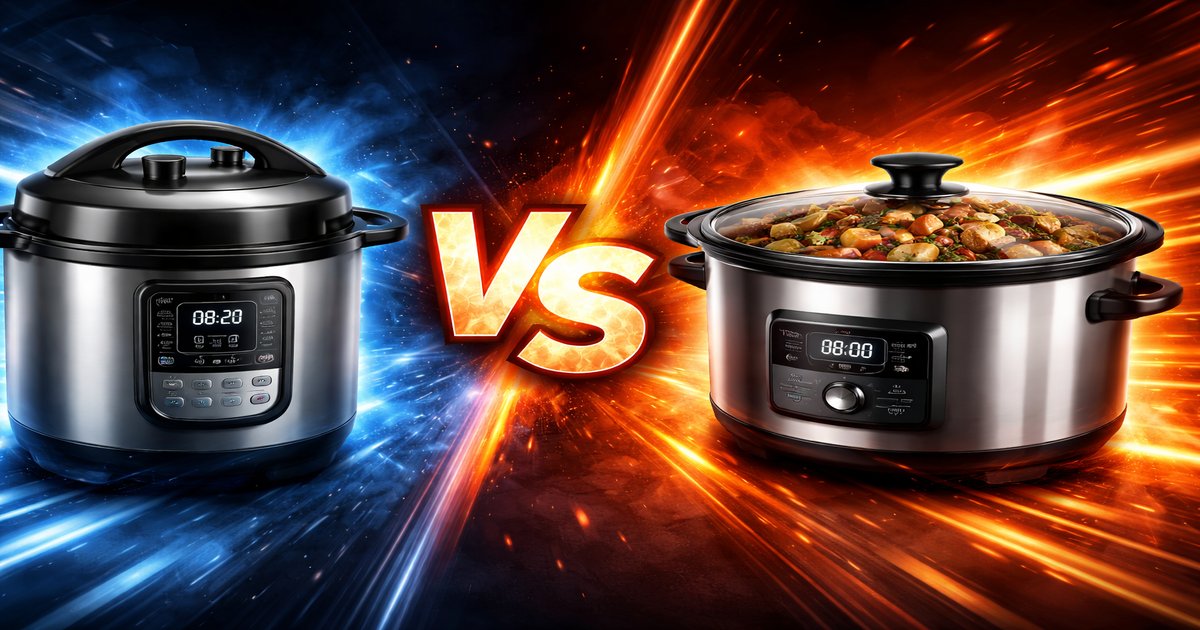
You’re standing in your kitchen, staring at the beef stew recipe you promised to try, but time is not on your side. Should you throw everything in the slow cooker and head out for the day, or rely on the pressure cooker for a quick meal fix? Both have their merits, but the best choice depends on your lifestyle and cooking habits.
| Feature | Pressure Cooker | Slow Cooker |
|---|---|---|
| Cooking Time | 30-60 minutes | 4-8 hours |
| Energy Efficiency | ✓ | ✓ |
| Flavor Development | Moderate | Excellent |
| Ease of Use | Moderate | ✓ |
| Versatility | High | Moderate |
| Sauté Function | ✓ | ✗ |
✅ pressure cooker Pros
- Fast cooking time saves you hours in the kitchen.
- High versatility with functions like sautéing and steaming.
- Energy efficient, using less electricity than an oven.
❌ pressure cooker Cons
- Steeper learning curve for beginners.
- Requires monitoring to avoid overcooking.
- Can be intimidating due to high pressure.
✅ slow cooker Pros
- Set it and forget it convenience for busy schedules.
- Enhances the flavor of dishes with long, slow cooking.
- Simple to use with minimal supervision needed.
❌ slow cooker Cons
- Takes hours to cook, not ideal for last-minute meals.
- Limited cooking methods compared to pressure cookers.
Performance: Speed vs. Flavor
Pressure cookers are the Usain Bolt of the kitchen world, speeding through a pot roast in less than an hour. They’re perfect for those nights when you need a meal on the table pronto. However, the slow cooker stands its ground by turning cheap cuts of meat into tender masterpieces with its low-and-slow magic. If you can plan ahead, the slow cooker’s ability to blend flavors over extended periods is unparalleled.
Build Quality and Features
Pressure cookers are typically built like tanks, with heavy-duty stainless steel and complex safety mechanisms. Many models come with multiple functions, from sauté to yogurt-making, offering a kitchen versatility powerhouse. Slow cookers, on the other hand, often have a simpler, more straightforward design. They’re usually made with a ceramic or stoneware pot that can go from the cooker to the table, but lack the multifunctionality of their pressurized cousins.
Value: Cost vs. Benefit
If you’re looking to get the most bang for your buck, the pressure cooker offers a wide array of functions beyond just cooking quickly. It can replace several kitchen appliances, making it a value-packed investment. Meanwhile, slow cookers are generally less expensive upfront and are ideal if your primary goal is convenience and flavor, rather than multifunctionality.
While pressure cookers are quick, they aren’t always the best for delicate flavors or textures—some dishes just need time to develop. Slow cookers, though reliable, can be a bit of a one-trick pony, and you might find yourself needing additional cookware for certain recipes.
Our Final Verdict: Which One Should You Buy?
If you’re a busy bee who needs quick meals and loves experimenting with kitchen gadgets, the pressure cooker is your go-to. It’s the Swiss Army knife of kitchen appliances. But if you cherish deep flavors and love the idea of coming home to a ready meal, the slow cooker will be your best friend, especially if you have a predictable schedule.
Can I use a pressure cooker for slow cooking?
Some modern pressure cookers have a slow cook function, but they won’t replicate the exact results of a dedicated slow cooker.
Are pressure cookers safe to use?
Yes, modern pressure cookers come with several safety features, but it’s crucial to follow instructions carefully to avoid accidents.
Do slow cookers consume a lot of electricity?
Slow cookers are surprisingly energy-efficient, often using less electricity than a light bulb over an 8-hour period.